Transform Your Wardrobe with Color Analysis Tips
- kennadycolorco
- May 6
- 4 min read
Are you tired of staring at a closet full of clothes yet feeling like you have nothing to wear? The solution might lie in understanding the colors that complement your unique features. Color analysis can transform your wardrobe, helping you choose pieces that not only look great but also boost your confidence. In this post, we will explore the fundamentals of color analysis, how to determine your color palette, and practical tips for incorporating these insights into your wardrobe.

Understanding Color Analysis
Color analysis is a method used to determine which colors harmonize with an individual's skin tone, hair color, and eye color. The right colors can enhance your natural beauty, while the wrong ones can wash you out or make you look tired.
The Four Seasons of Color Analysis
The most common approach to color analysis divides colors into four seasonal categories: Winter, Spring, Summer, and Autumn. Each season has its own set of colors that work best for individuals who fall into that category.
Winter: Cool, bold colors like jewel tones (emerald green, royal blue) and icy shades (pure white, black).
Spring: Warm, bright colors such as coral, peach, and light yellow.
Summer: Soft, muted colors like pastels (lavender, baby blue) and cool shades (soft pink, mint green).
Autumn: Earthy, rich colors such as burnt orange, olive green, and mustard yellow.
How to Determine Your Season
To find out which season you belong to, consider the following steps:
Identify Your Undertone: Determine if your skin has warm, cool, or neutral undertones. A simple test is to look at the veins on your wrist. If they appear blue, you likely have cool undertones. If they look green, you have warm undertones.
Assess Your Hair and Eye Color: Take note of your natural hair color and eye color. These features can help narrow down your seasonal category.
Try on Colors: Experiment with different colors in natural light. Notice how each color affects your appearance. Do you feel more vibrant in certain shades?
Building Your Color Palette
Once you have identified your seasonal category, it’s time to build your color palette. Here’s how to do it effectively:
Create a Color Swatch
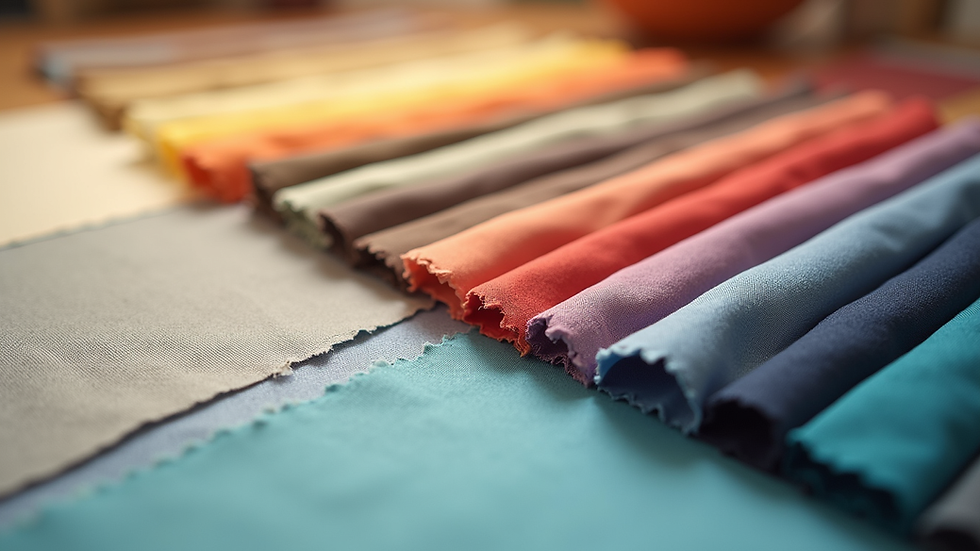
Gather fabric swatches or paint samples in your seasonal colors. This will serve as a handy reference when shopping.
Focus on Neutrals
Every wardrobe needs a solid foundation of neutral colors. Choose neutrals that complement your seasonal palette. For example:
Winter: Charcoal gray, navy, and crisp white.
Spring: Cream, light beige, and soft gray.
Summer: Cool gray, taupe, and soft white.
Autumn: Warm beige, chocolate brown, and olive.
Add Accent Colors
Incorporate accent colors to add interest to your outfits. These can be bolder shades that reflect your personality. For instance, if you are a Winter, consider adding a vibrant red or deep purple to your wardrobe.
Practical Tips for Incorporating Color Analysis into Your Wardrobe
Now that you have a better understanding of color analysis and your personal palette, here are some practical tips to help you transform your wardrobe:
1. Start with Basics
Invest in basic pieces that align with your color palette. These can include:
Tops: T-shirts, blouses, and sweaters in your chosen colors.
Bottoms: Pants and skirts in neutral shades that can be mixed and matched.
Outerwear: Jackets and coats that complement your overall look.
2. Accessorize Wisely
Accessories are a great way to incorporate color without committing to a full outfit. Consider:
Scarves: A colorful scarf can brighten up a neutral outfit.
Jewelry: Choose pieces that reflect your color palette, such as gemstone earrings or a statement necklace.
Bags: A handbag in a bold accent color can serve as a focal point.
3. Experiment with Layering
Layering allows you to play with different colors and textures. Try combining various shades from your palette to create visually interesting outfits. For example, pair a soft pastel top with a darker neutral bottom and a vibrant cardigan.
4. Mix and Match
Don’t be afraid to mix colors within your palette. For instance, if you are a Summer, you might combine a soft pink blouse with a light blue skirt. The key is to ensure that the colors complement each other.
5. Seasonal Updates
As the seasons change, consider updating your wardrobe with new pieces that align with your color palette. This keeps your style fresh and relevant. For example, in Autumn, you might add a warm mustard sweater or an olive green jacket.
The Psychological Impact of Color
Colors can influence our mood and how others perceive us. Understanding the psychology behind colors can help you make more intentional choices in your wardrobe.
Red: Associated with energy and passion. Wearing red can make you feel more confident.
Blue: Conveys calmness and trust. It’s a great choice for professional settings.
Yellow: Represents happiness and optimism. A pop of yellow can brighten your day.
Green: Symbolizes balance and growth. It can create a sense of harmony.
Conclusion
Transforming your wardrobe through color analysis is not just about looking good; it’s about feeling good too. By understanding your unique color palette, you can make informed choices that enhance your natural beauty and boost your confidence.
Start by identifying your season, building a color palette, and incorporating these insights into your wardrobe. Remember, the right colors can make all the difference in how you present yourself to the world. So, take the plunge and embrace the power of color in your wardrobe today!

Comments